
American Gaming Association Q1 2026 Outlook Shows Steady Growth Alongside Rising Regulatory and Market Pressures
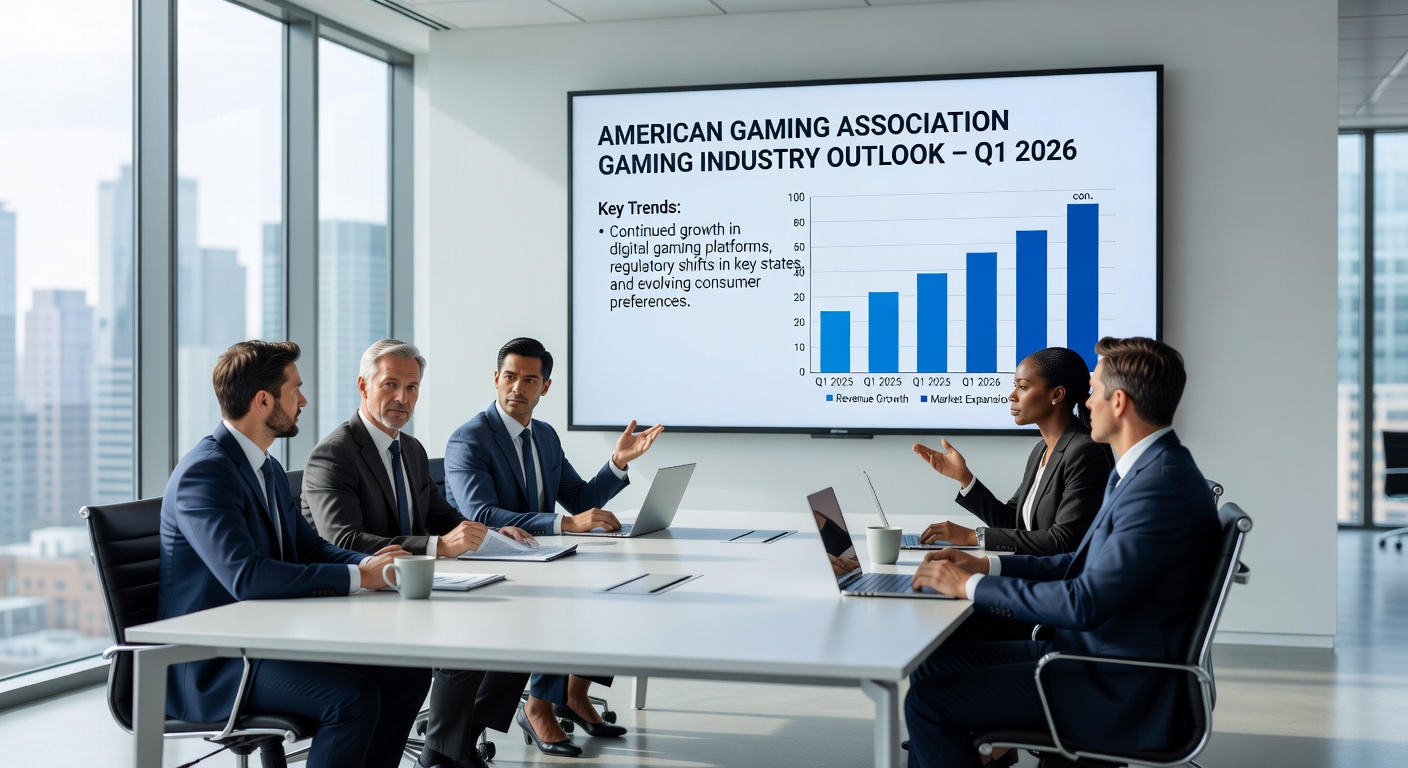
The American Gaming Association released its Gaming Industry Outlook for Q1 2026 in May, and the numbers paint a picture of continued expansion in real economic activity across the sector. The Gaming Conditions Index climbed 1.5 percent year-over-year, reflecting gains in revenue, employment, wages, and overall executive sentiment that together signal resilience even as external factors begin to weigh more heavily on operators.
Tracking the Index and Core Economic Drivers
Observers note that the index improvement stems directly from measurable advances in several key areas rather than isolated spikes, with revenue figures rising steadily while payrolls and compensation levels also posted gains. Those who've followed the data closely point out that these components moved in tandem, creating a broader base of support for the industry's positive trajectory through the first quarter. Federal and state-level tax collections tied to gaming activity likewise benefited from the uptick, underscoring how operational strength at casinos, sportsbooks, and related venues translates into wider economic contributions.
Executive Sentiment and Investment Expectations
Survey responses from gaming executives reveal sustained optimism about near-term prospects, with more than 60 percent anticipating increases in both capital investment and revenues over the coming periods. This forward-looking stance aligns with the index movement and suggests that many operators plan to expand facilities, upgrade technology, and enter new markets where regulatory frameworks permit. Data shows that hiring intentions remain firm as well, indicating that workforce expansion continues to factor into strategic planning even amid broader economic uncertainties.
Prediction Markets Emerge as a Major Competitive Threat
One area drawing sharper attention involves prediction markets, which 81 percent of respondents now classify as a very significant threat to the regulated gaming industry. That figure marks a noticeable increase from earlier surveys and reflects growing concern that unregulated or lightly supervised platforms could siphon activity away from licensed operators. Executives cite differences in oversight, taxation, and consumer protections as key distinctions that place traditional gaming companies at a competitive disadvantage when prediction markets operate outside established frameworks.
Those who've studied similar shifts in other entertainment sectors recognize how quickly consumer preferences can migrate toward newer formats that promise faster outcomes or lower barriers to entry. The current survey captures this dynamic in real time, showing how perception of threat has intensified even while core revenues continue to climb.
Federal Regulatory Concerns Reach New Levels
Federal regulatory concerns now register with 46 percent of respondents, up from prior readings and signaling heightened awareness of potential policy changes at the national level. Industry participants point to ongoing debates around online gaming standards, sports betting integrity, and interstate compacts as sources of uncertainty that could affect expansion timelines and compliance costs. State-level developments remain influential, yet the survey indicates that federal actions or proposals carry increasing weight in strategic discussions.
Inflation, Consumer Patterns, and New Competition
Additional pressures surface around inflation effects on operating costs, shifts in consumer spending habits, and competition from emerging gaming formats that continue to evolve. Reports indicate that operators monitor discretionary income trends closely because any sustained pullback in household budgets can influence visitation and wagering volumes across properties. At the same time, new forms of gaming, including digital entertainment options and hybrid experiences, vie for attention and require established companies to adapt product offerings and marketing approaches.
Executives responding to the survey acknowledge these headwinds without overstating their immediate impact, noting instead that measured responses such as cost controls, targeted promotions, and technology investments help mitigate downside risks while preserving growth momentum.
Looking Ahead from the Spring 2026 Release
The Gaming Industry Outlook Spring 2026 provides a snapshot that balances documented gains with emerging challenges, offering stakeholders a data-driven basis for planning. Figures reveal that the sector has maintained forward progress through the first quarter even as perceptions of external threats and regulatory complexity have sharpened. Industry analysts continue to track how operators translate these insights into decisions around capital allocation, market entry, and advocacy efforts in the months ahead.
Conclusion
Overall the Q1 2026 report from the American Gaming Association documents a period of measured expansion supported by revenue, employment, and investment expectations while highlighting areas that warrant closer monitoring. Prediction market competition and federal regulatory developments stand out as focal points for future attention, yet the underlying economic indicators remain constructive. Observers will watch subsequent releases to see whether current trends hold or whether the identified pressures begin to exert more noticeable influence on operating results and strategic priorities across the regulated gaming landscape.