Device Screen Sizes and Wager Frequency Patterns Among Online Roulette Players in Regulated European Markets
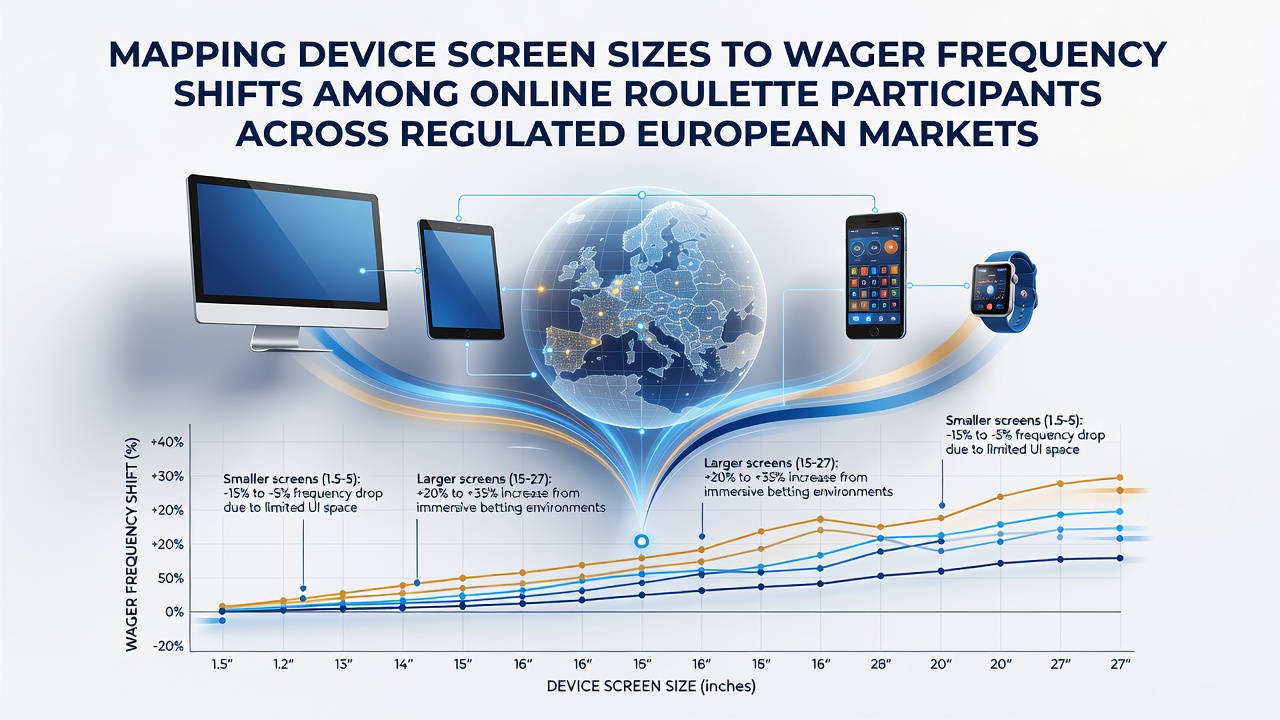
Researchers have examined how device screen dimensions influence betting behaviors in online roulette across several regulated European markets, and data collected through 2026 reveals measurable shifts in wager frequency tied directly to screen size categories. Mobile devices with screens under 6 inches, tablets ranging from 7 to 12 inches, and desktop monitors exceeding 13 inches each produce distinct patterns when players engage with roulette interfaces.
Screen Size Categories and Player Access Trends
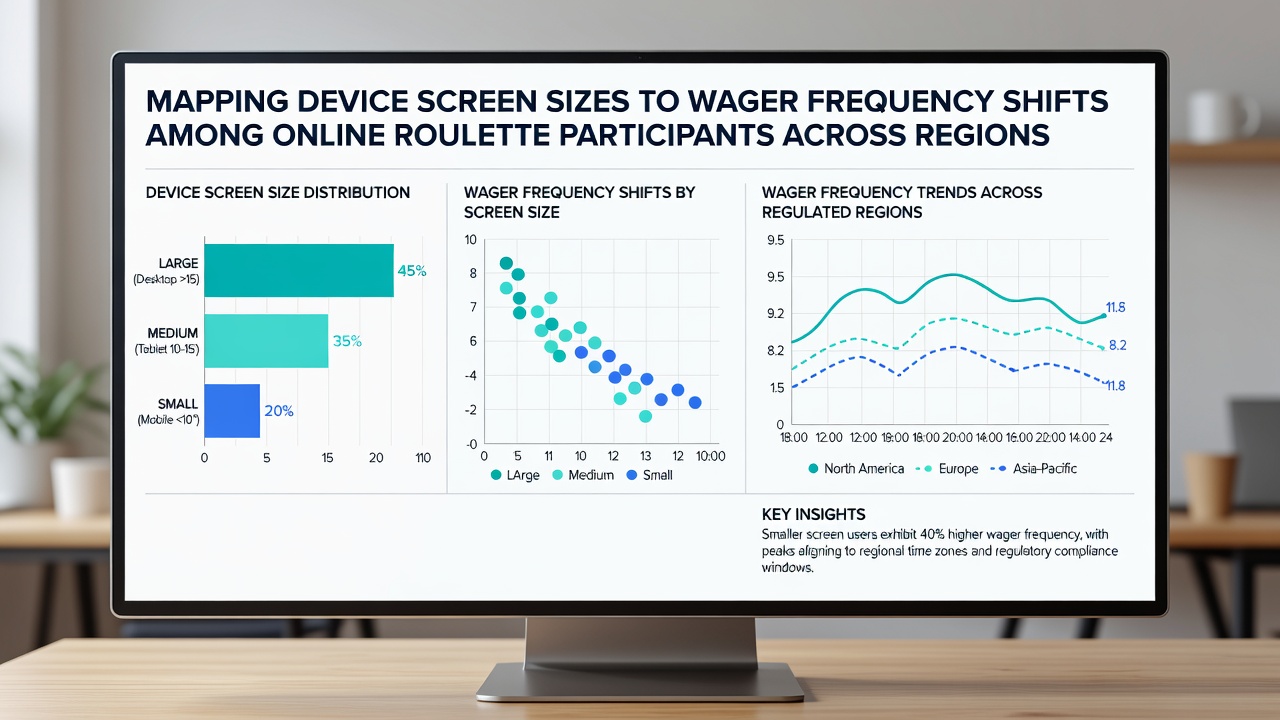
Market reports compiled from operators in Germany, Spain, and the Netherlands show that participants using smaller mobile screens place wagers at higher intervals during sessions, often completing bets every 12 to 18 seconds compared with desktop users who average 25 to 35 seconds between actions. These differences arise because touch-based interfaces on compact screens reduce the time needed to select chip values and confirm spins, while larger displays encourage more deliberate navigation through additional on-screen options and statistics panels.
Analysts tracking session logs note that tablet users occupy an intermediate position, with frequencies that rise during portrait orientation yet slow when the device switches to landscape mode and exposes more interface elements simultaneously. European regulatory filings indicate that such device-driven variations became more pronounced after interface updates rolled out in early 2026, when operators adjusted button spacing and swipe gestures to accommodate diverse hardware.
Data Collection Methods Across Jurisdictions
Studies conducted by academic teams in collaboration with licensed platforms have mapped these patterns using anonymized telemetry from thousands of sessions. One investigation coordinated through institutions in the Netherlands cross-referenced screen resolution metadata with timestamped bet records, revealing that players on phones under 5.5 inches increased average bets per minute by 22 percent over desktop counterparts during equivalent session lengths. Similar methodologies applied in Spanish and Italian markets produced consistent directional results, although absolute frequencies differed by local regulatory caps on game speed.
Figures released through industry associations further illustrate that desktop sessions in France tend to feature longer deliberation periods on each spin, partly because external keyboard and mouse inputs allow precise stake adjustments that mobile touchscreens streamline into single gestures. Observers tracking these metrics through July 2026 continue to refine categorization models that segment devices by both physical dimensions and operating system interaction styles.
Market-Specific Variations and Regulatory Context
Regulated environments in Germany impose strict session timers that interact differently with device types, leading mobile users to accelerate decision cycles within permitted windows while desktop participants distribute the same number of wagers across fewer but more spaced-out actions. Data aggregated by the European Gaming and Betting Association highlights how these constraints amplify screen-size effects in certain jurisdictions yet dampen them in others where autoplay functions remain available across all device classes.
Researchers have also examined correlations with player age brackets and registration regions, finding that younger cohorts in Spain exhibit the strongest mobile-driven frequency increases, whereas older demographics in the Netherlands maintain steadier pacing regardless of hardware. Cross-border comparisons indicate that language localization and currency display formats on smaller screens contribute additional friction or fluidity depending on how operators render numeric fields.
Interface Design Influences on Observed Shifts
Platform developers have documented that responsive design elements, including dynamic chip carousels and simplified bet-slip overlays, produce measurable upticks in mobile wager rates once screen widths drop below certain thresholds. A 2026 analysis of Italian operator data linked these adjustments to a 15 percent rise in spins per hour among smartphone users, whereas desktop interfaces retained traditional layouts that preserved slower pacing. External testing by independent labs confirmed that vertical scrolling mechanics on narrow screens reduce the cognitive load associated with reviewing prior outcomes, thereby supporting quicker subsequent bets.
Additional variables such as network latency and battery optimization modes further modulate these patterns, with lower-powered devices sometimes defaulting to reduced animation speeds that paradoxically encourage faster manual inputs to compensate. Market observers continue to monitor how forthcoming accessibility mandates scheduled for late 2026 may standardize certain interface components and potentially narrow the frequency gaps currently tied to screen size.
Conclusion
Comprehensive mapping of device screen sizes against wager frequency in regulated European roulette markets demonstrates consistent, hardware-linked behavioral differences supported by telemetry from multiple jurisdictions through mid-2026. Mobile, tablet, and desktop categories each correlate with distinct pacing profiles shaped by interface mechanics, regulatory parameters, and demographic factors. Ongoing data collection from operators and academic partners supplies the evidence base for these relationships, while external reports from bodies such as the European Gaming and Betting Association and peer-reviewed studies hosted by university repositories provide supplementary context on market-wide trends. These factual patterns remain subject to refinement as new interface standards and device generations enter circulation.