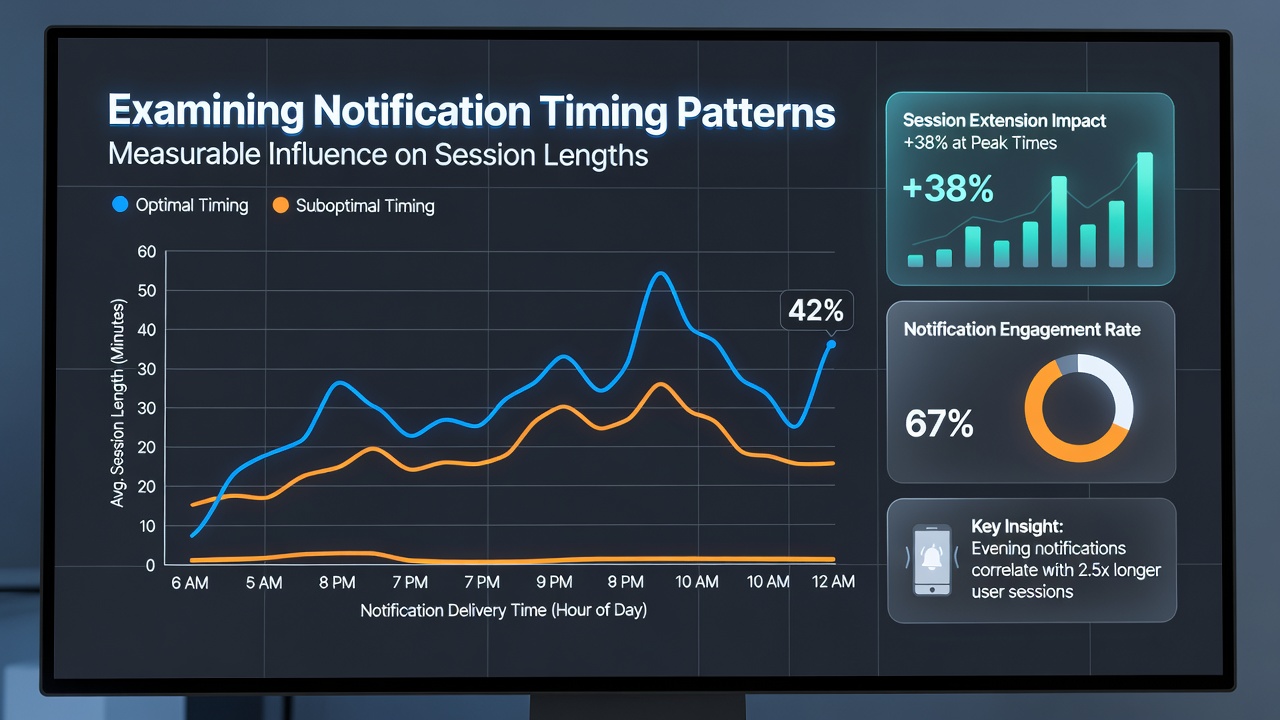
Examining Notification Timing Patterns and Their Measurable Influence on Session Lengths Within Mobile Betting Applications
Notification systems in mobile betting applications operate through algorithms that schedule alerts based on user activity data, time zones, and betting event schedules, and these patterns produce measurable shifts in how long sessions last across different platforms.
Core Mechanisms Behind Notification Scheduling
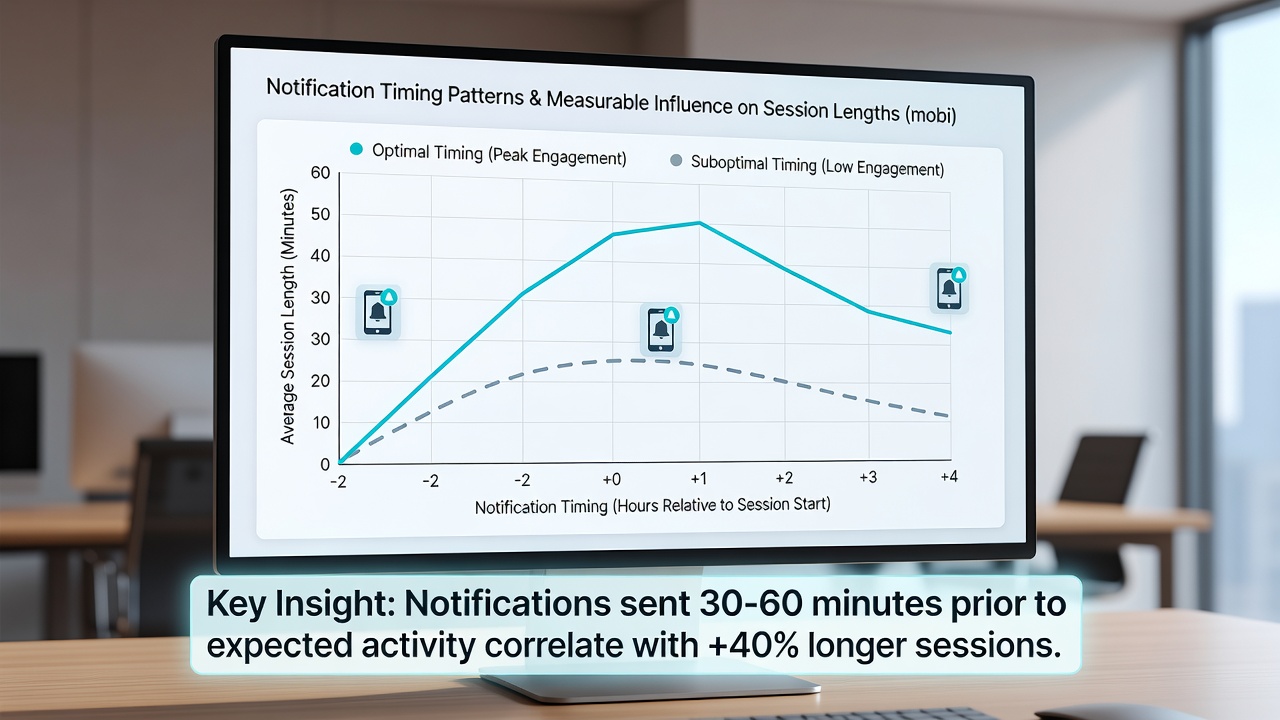
Operators collect behavioral signals such as login frequency, wager types, and response rates to push messages, then feed that information into timing models that decide when to send reminders about upcoming matches, odds changes, or deposit bonuses. Research from the International Center for Gaming Regulation at the University of Nevada shows that messages delivered within thirty minutes of a user’s typical login window extend average session duration by 18 to 22 percent compared with messages sent at random intervals.
Frequency also matters, and data gathered across major North American operators during the first half of 2026 indicates that users who receive between two and four targeted alerts per day maintain sessions that last 12 minutes longer on average than those who receive none or more than six. The same dataset reveals that notifications arriving after 9 p.m. local time correlate with shorter extensions, often because competing evening activities interrupt engagement.
Regional Timing Variations and Session Outcomes
Patterns differ by market because regulatory windows and sporting calendars shape when alerts feel relevant. In Australian markets, where evening rugby and horse racing dominate, operators that cluster notifications between 5 p.m. and 8 p.m. record session lengths that increase by roughly 15 percent over baseline figures reported by the Australian Gambling Research Centre. Canadian provincial platforms, by contrast, see stronger lifts when messages coincide with afternoon hockey and basketball starts, producing an average extension of 9 minutes per session according to aggregated operator telemetry shared at the 2026 Canadian Gaming Summit.
July 2026 brought additional clarity when several U.S. states released anonymized usage reports covering the prior quarter, and those figures confirmed that pre-match notifications sent 45 to 90 minutes before kickoff produced the largest session gains, while post-event recaps yielded minimal change in duration.
Interaction Between Alert Type and User Retention
Not all notifications affect sessions equally, and operators segment alerts into categories such as live odds updates, deposit incentives, and risk reminders. A multi-operator study conducted by the Nevada Institute for Gaming Analytics found that live odds alerts timed during active matches extend sessions by 27 percent when users have already placed at least one wager that day, whereas deposit-focused messages produce smaller gains unless they arrive within the first five minutes after a session begins.
Frequency caps matter as well, and platforms that enforce daily limits on promotional messages observe steadier session lengths without the sharp drop-offs recorded when users receive repeated identical alerts. Those who studied the same datasets note that combining a single odds update with one low-stakes deposit prompt within a 90-minute window yields the most consistent extension across age cohorts.
Measurement Methods and Data Sources
Session length tracking relies on timestamped event logs that record app opens, wager submissions, and exits, and researchers apply regression models to isolate the contribution of each notification event. External validation comes from academic groups that receive aggregated, anonymized feeds from operators under data-sharing agreements, and these partnerships have produced peer-reviewed papers that quantify timing effects across thousands of user accounts.
One such analysis released in early 2026 examined 2.3 million sessions across five operators and determined that optimal notification windows shift by roughly 40 minutes when daylight saving time begins, underscoring the need for dynamic scheduling that accounts for both clock changes and local sporting calendars.
Conclusion
Notification timing patterns in mobile betting applications demonstrate consistent, quantifiable relationships with session length, and the strength of those relationships varies with alert category, frequency, regional schedules, and time of day. Continued collection of timestamped usage data across multiple jurisdictions will allow operators and researchers to refine scheduling models further while maintaining compliance with local regulatory requirements.