How Geofencing Tools Alter Access Patterns for Regional Poker Networks
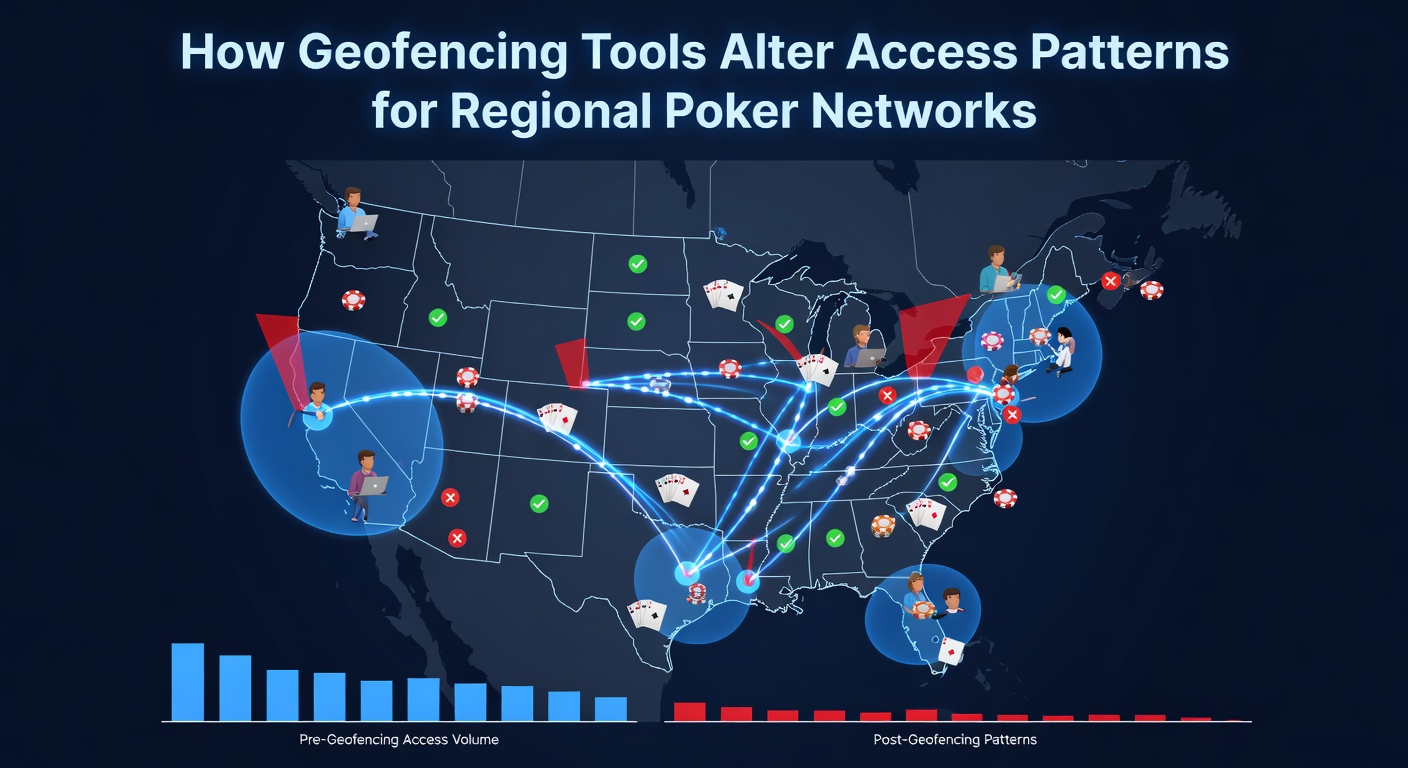
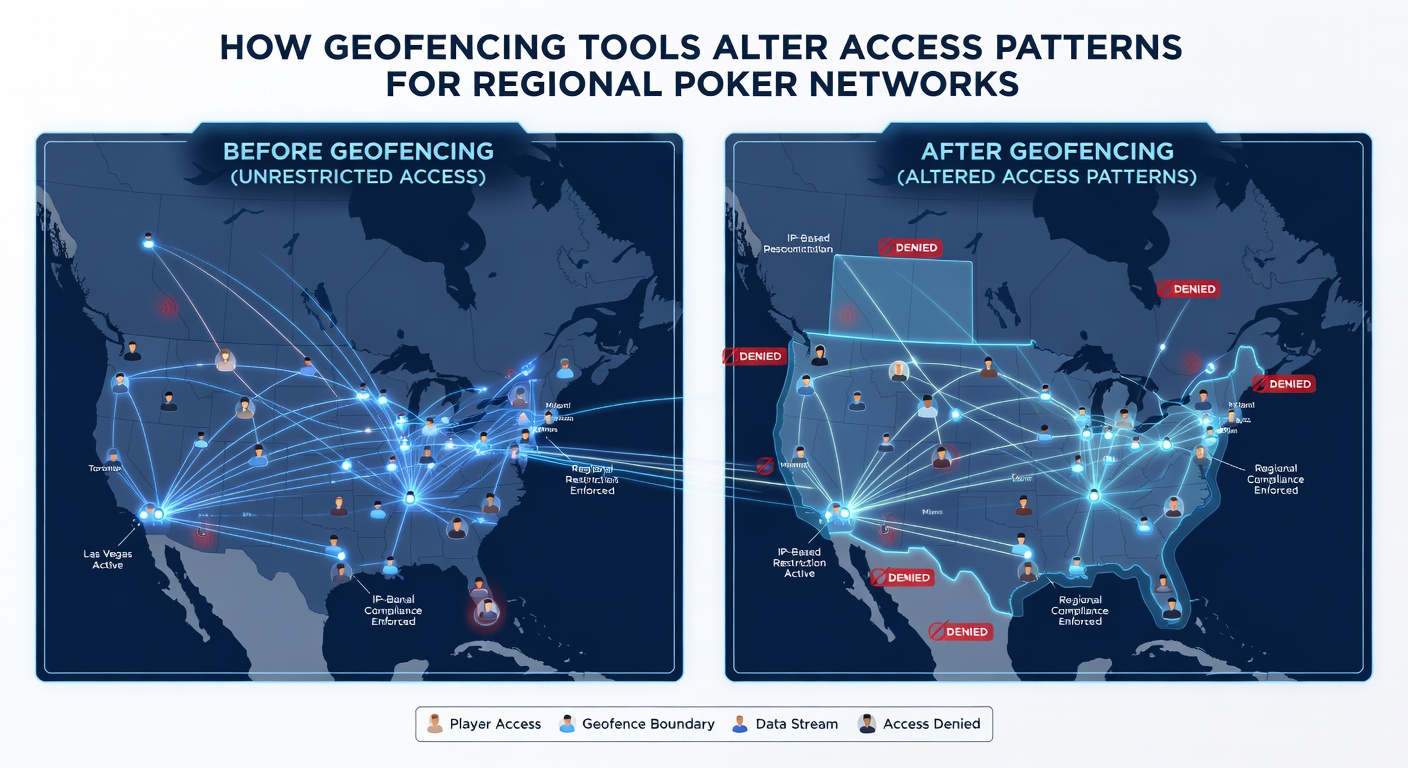
Geofencing technology relies on GPS coordinates, IP address verification, and cellular data triangulation to establish virtual perimeters around permitted gaming jurisdictions, and operators deploy these systems to restrict poker platform access strictly to users inside approved zones. Regional poker networks have adapted their server architectures accordingly, which means a player in one state might connect seamlessly while someone just across the border receives an immediate block, and this pattern has reshaped how traffic flows through licensed platforms since multi-state compacts began expanding.
Mechanics Behind Location Verification Systems
Modern geofencing solutions combine several layers of checks that run continuously during a session, and they start with the initial login that pulls device location data before any game lobby loads. Subsequent pings occur at random intervals to confirm the user has not crossed into a restricted area, while network operators monitor for signs of VPN masking or proxy rerouting that could bypass these controls. Studies from the University of Nevada, Reno have documented how these layered protocols reduce unauthorized cross-jurisdictional logins by measurable margins, and the same reports note that false positives occasionally affect legitimate players near state lines where signal overlap occurs.
Shifts in Player Distribution Across State Lines
Access patterns changed noticeably after geofencing became standard in states that joined interstate poker agreements, because players who once hopped between networks now find their options limited to home-state servers or approved compact partners. Data collected through 2025 showed concentrated traffic spikes in major population centers within each licensed region, whereas rural border areas experienced drops in active sessions as geofencing enforcement tightened. Observers note that these concentration effects appear most clearly in markets where only a handful of operators hold licenses, which forces regional networks to adjust liquidity pools and tournament schedules to match the new geographic reality.
Impact on Network Liquidity and Tournament Structures
Regional poker networks responded to altered access by merging player pools across compact states, yet geofencing still segments the underlying connections so that each participant remains tied to their verified location. This setup preserves legal compliance while allowing shared prize pools, and operators have introduced time-staggered events that account for different state curfews or tax rules. Figures from the Nevada Gaming Control Board indicate that such merged events grew in frequency through early 2026, and the same data reveals corresponding adjustments in average pot sizes as player counts stabilized within each geofenced segment.
Regulatory Updates and Enforcement Trends in 2026
By May 2026 several jurisdictions had refined their geofencing requirements to include stricter audit intervals and mandatory reporting of blocked attempts, and these updates arrived alongside expanded compact agreements that added new states to the map. Enforcement agencies began requiring operators to maintain detailed logs of location verification failures, which provides regulators with clearer pictures of attempted access from outside permitted zones. Those records also help identify patterns where users repeatedly test boundaries, prompting further refinements in how networks deploy their perimeter technology.
Technical Challenges and Mitigation Strategies
Signal drift near large bodies of water or in dense urban environments sometimes triggers erroneous blocks, and operators counter this by maintaining whitelists of known stable locations plus fallback manual review processes for disputed cases. Researchers tracking these incidents have found that most disputes resolve within minutes through secondary verification methods such as address confirmation tied to payment accounts. Network administrators continue to invest in more precise satellite and Wi-Fi positioning hybrids because even small error rates can affect player retention in competitive regional markets.
Conclusion
Geofencing continues to define the operational boundaries of regional poker networks by enforcing precise geographic limits that directly influence where and when players can participate. As compact agreements evolve and additional states integrate their systems, the same tools will keep reshaping traffic flows and liquidity distribution across permitted zones. Ongoing refinements in verification accuracy and regulatory reporting standards ensure these access controls remain aligned with each jurisdiction's legal framework.