How Instant Payment Systems Shape Deposit Patterns at Online Gaming Platforms Worldwide
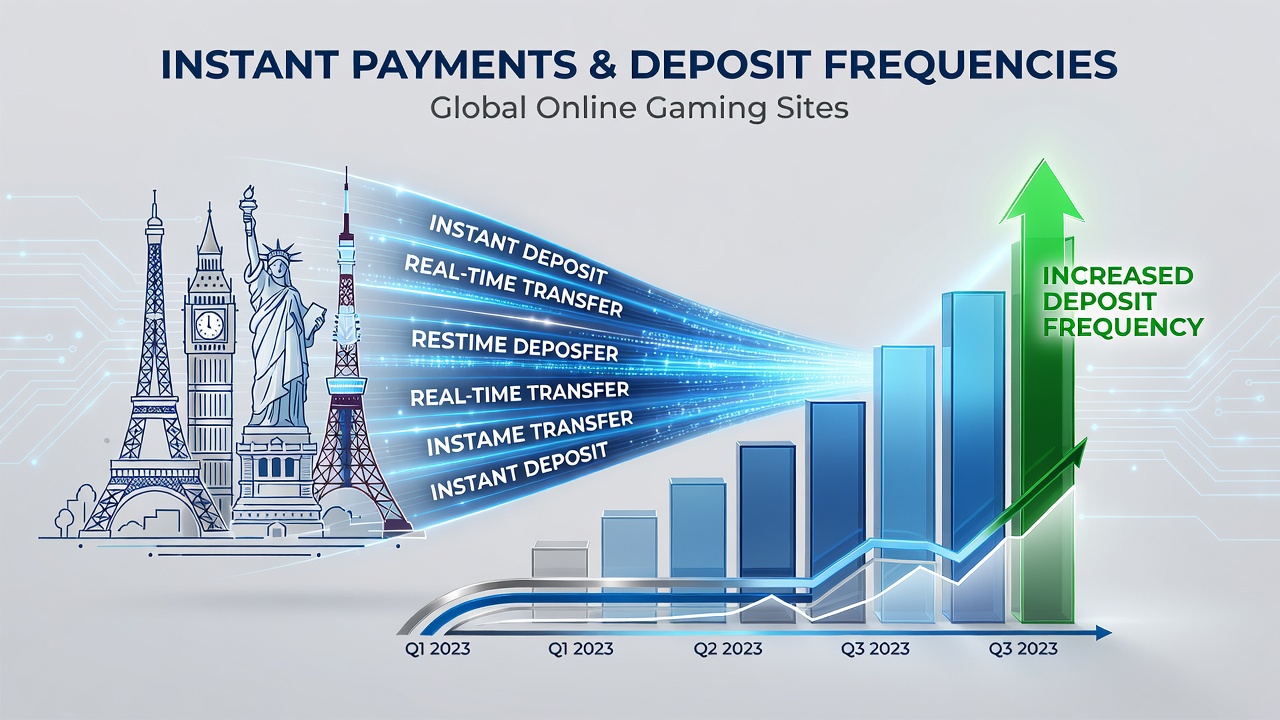
Instant payment systems have altered how players interact with online gaming sites by enabling deposits that clear in seconds rather than hours or days, and this shift shows up clearly in frequency metrics tracked across multiple markets. Platforms that adopted real-time bank transfers, e-wallet top-ups, and mobile payment rails recorded measurable increases in the number of deposits per active account, while average deposit size often declined as users spread out their funding activity.
Mechanics Behind the Shift in Deposit Timing
Traditional card processing or bank wires required users to wait through approval windows that stretched from several hours to multiple business days, which naturally limited how often someone would initiate a new deposit. Instant systems remove that friction by routing funds through open banking APIs or digital wallet networks that confirm transactions immediately, so a player can move money from a checking account or mobile balance without leaving the gaming interface. Observers note that once confirmation times drop below thirty seconds, the interval between successive deposits shortens because the psychological barrier of waiting disappears.
Patterns Observed Across Different Regions
Data compiled from European operators shows that sites introducing instant bank transfers saw deposit events per user rise by roughly twenty-two percent within the first quarter after rollout, while operators in Asia-Pacific markets that added local instant rails reported similar lifts in frequency even when overall handle remained stable. In North American jurisdictions where regulations permit such integrations, the same pattern appears in aggregated figures released during August 2026, where platforms using faster payment rails documented more frequent but smaller funding actions compared with slower legacy methods. Canadian provincial data and Australian market summaries both indicate that once instant options become default, the share of accounts making at least one deposit per week increases, though total monthly spend per user does not always grow proportionally.
Behavioral Adjustments Among Different Player Segments
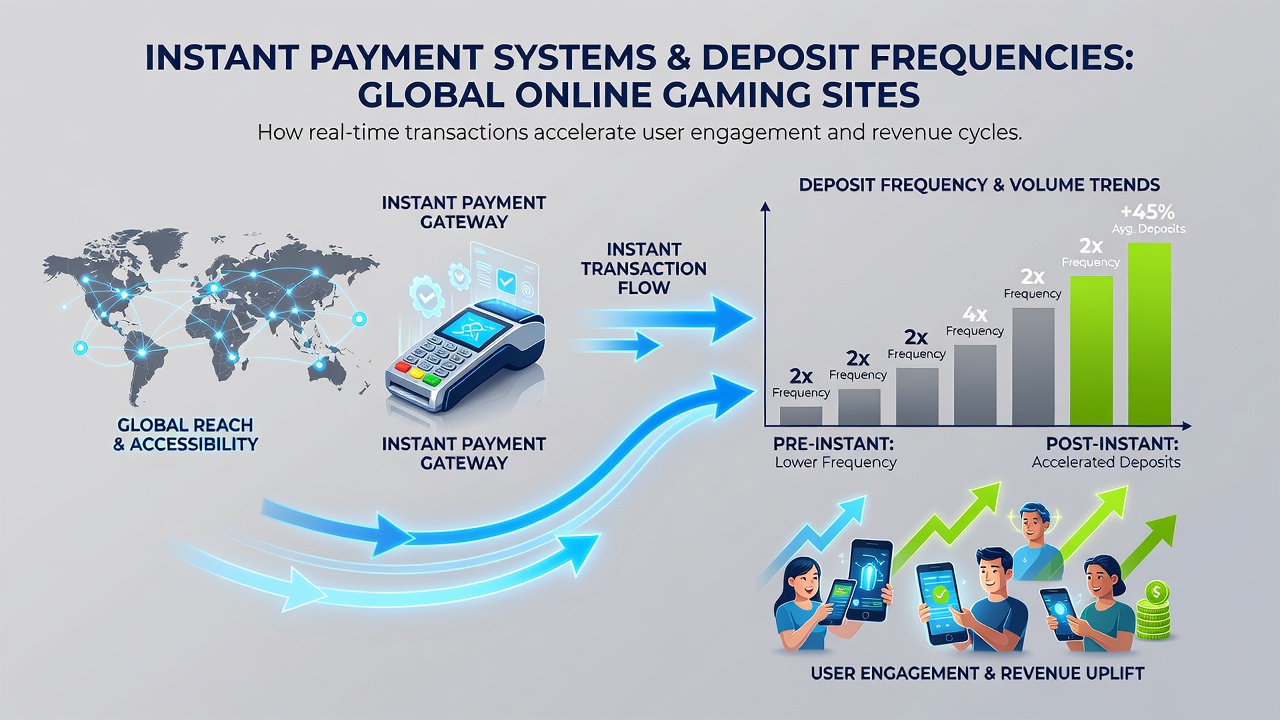
High-volume users tend to switch from larger, less frequent deposits to a series of smaller top-ups that align with session length, which keeps balances topped up without committing a single large sum at once. Recreational players, by contrast, show an increase in spontaneous deposits triggered by bonus notifications or game prompts because the reduced time cost makes acting on those cues easier. Research indicates that the presence of instant options correlates with higher session counts per month, because users no longer need to plan deposits around banking hours or approval delays. One study released by an academic research group tracking European and Asian platforms found that accounts with access to instant methods performed an average of 1.8 additional deposits per thirty-day period compared with accounts limited to conventional processing.
Operator Adjustments and Platform Design Responses
Operators respond to these changes by adjusting responsible gaming tools and cashback structures to match the new cadence of smaller, repeated deposits. Some sites now surface deposit reminders at shorter intervals, while others integrate spending-limit prompts that reference recent funding activity rather than monthly totals. Payment providers have expanded their APIs to include real-time balance checks, allowing platforms to offer dynamic deposit suggestions that reflect a user's current session spend without requiring additional authentication steps. Figures from industry associations show that the share of deposits processed through instant rails exceeded sixty-five percent on leading global sites by mid-2026, up from under thirty percent two years earlier.
Regulatory and Infrastructure Factors Shaping Adoption
Regulatory frameworks in several markets have accelerated the rollout by mandating support for local instant payment schemes, such as those operated by central banks or licensed clearing houses. Where rules require operators to offer at least one real-time funding method, deposit frequency metrics rise more quickly than in regions that leave the choice entirely to platform discretion. Infrastructure differences also matter: markets with widespread open banking standards see faster uptake, whereas regions still reliant on card networks experience slower transitions even when instant options exist. According to European Gaming and Betting Association reports, regulatory clarity around instant rails correlates with higher compliance rates for deposit-limit tools because transaction logs become more granular.
Future Trajectory Based on Current Data
Projections drawn from August 2026 operator filings suggest that deposit frequency will continue to climb as more jurisdictions finalize open banking rules and additional payment schemes reach global scale. Platforms that combine instant deposits with instant withdrawal options record the highest repeat funding rates, because the full cycle of moving money in and out feels seamless. Those patterns hold across both established markets and emerging ones where smartphone penetration supports mobile-first payment methods. iGaming Ontario compliance summaries illustrate how localized instant systems produce consistent frequency increases without corresponding spikes in total handle, confirming that the effect centers on timing rather than overall volume.
Conclusion
Instant payment systems have produced a clear, measurable shift toward more frequent deposits at online gaming sites by removing the time delays that once governed funding decisions. Regional data, operator reports, and infrastructure analyses all point to the same outcome: when confirmation happens in seconds, users adjust their behavior to fund accounts more often and in smaller increments. The trend appears across multiple continents and shows no sign of reversing as additional markets adopt real-time rails and refine their regulatory approaches.