How Seasonal Promotions Reshape Betting Volumes in Niche Virtual Sports Markets
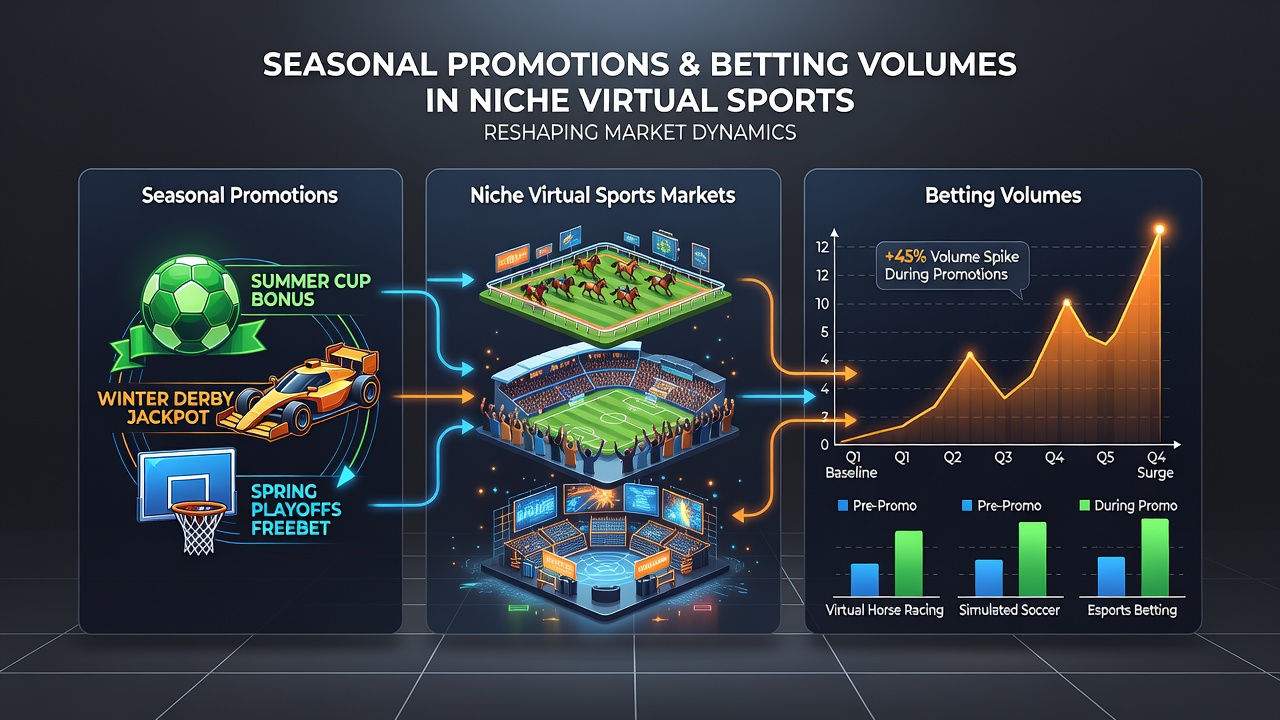
Seasonal promotions drive measurable shifts in betting activity across niche virtual sports markets, where operators align bonus structures with calendar events to stimulate participation in simulated leagues and events. Virtual soccer, tennis simulations, and digital horse racing see consistent volume increases during targeted campaigns, according to industry data compiled through operator reporting systems. These markets operate continuously without real-world scheduling constraints, yet promotional timing creates predictable surges that operators track through transaction logs and engagement metrics.
Mechanics of Seasonal Campaigns in Virtual Environments
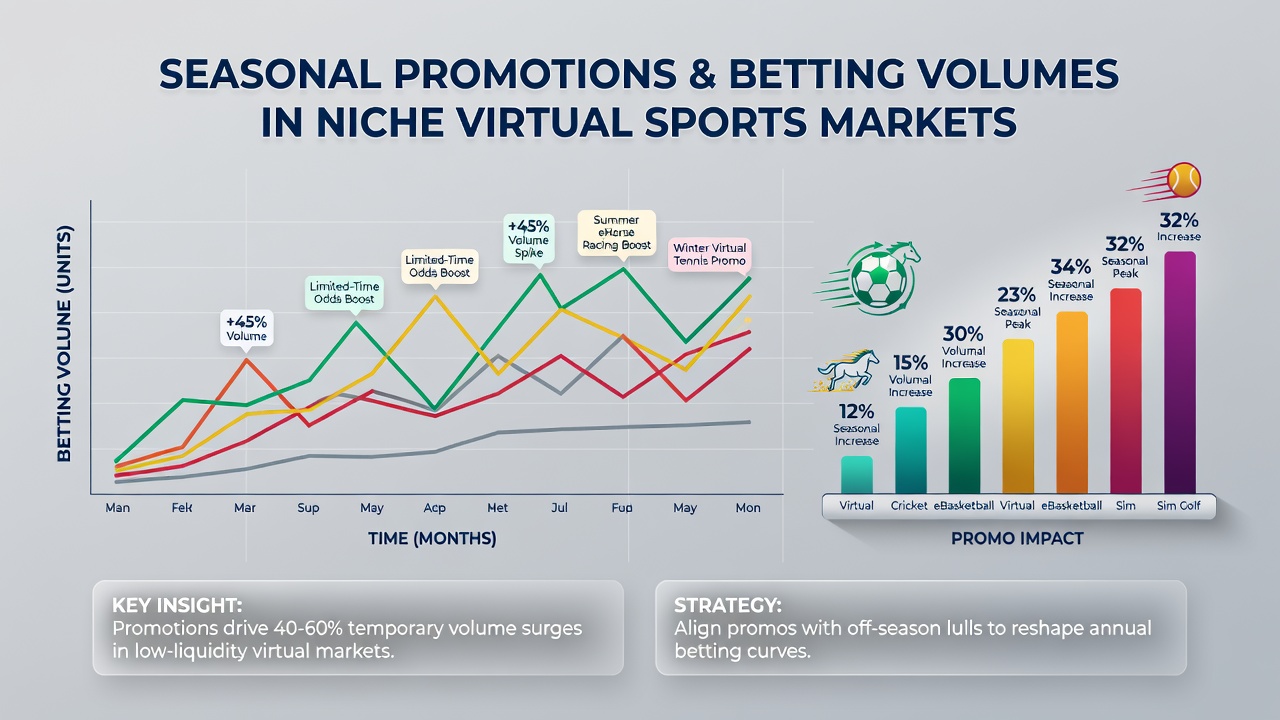
Operators design promotions around summer tournaments, winter festivals, and holiday periods, offering enhanced multipliers on virtual match outcomes or free bets tied to specific simulations. Data from platform analytics shows betting volumes in niche virtual categories rise between 25 and 40 percent during these windows compared with baseline periods. The campaigns often bundle virtual events with real sports calendars, filling gaps when major leagues enter off-seasons, which creates sustained user retention across slower months.
August 2026 brought extended summer promotion cycles in several markets, with operators extending bonus eligibility through mid-month to capture post-holiday traffic patterns. These initiatives included leaderboard competitions for virtual cycling and basketball simulations, where prize pools scaled with accumulated wagers. Transaction records indicate participants placed more frequent smaller stakes during these runs, altering the average bet size distribution while expanding overall handle.
Regional Patterns and Volume Data
European operators report distinct spikes in virtual football simulations during August and December campaigns, while North American platforms note stronger responses to virtual basketball promotions aligned with March Madness tie-ins. Research from the Canadian Gaming Association indicates virtual sports betting volumes in regulated provinces increased 32 percent year-over-year during the 2025-2026 promotional seasons. Similar patterns appear in Australian data, where state-licensed platforms recorded elevated activity in digital harness racing during spring carnival periods.
One study tracking multi-jurisdictional operators found that promotions incorporating progressive jackpots on virtual tennis events produced longer session durations and higher repeat logins within seven days of the initial wager. These behavioral shifts correlate directly with the presence of time-limited deposit matches rather than permanent product features alone.
Operator Strategies and Market Response
Platforms adjust risk models during promotional windows by tightening margins on popular virtual outcomes while expanding liquidity on less common simulations. This approach balances increased handle against potential payout exposure. Observers note that niche categories such as virtual motorsport and e-sports simulations respond particularly well to cross-promotions with real-world seasonal events, drawing participants who migrate from traditional sportsbooks during off-peak times.
Figures from European trade groups show that virtual sports now account for roughly 8 percent of total online betting revenue in select markets, with seasonal campaigns contributing a disproportionate share of that segment. The campaigns also influence product development, prompting operators to introduce new simulation variants timed to coincide with major cultural or sporting calendars.
Impact on Player Behavior and Retention
Users participating in seasonal promotions demonstrate higher retention rates over subsequent 30-day periods, according to aggregated operator datasets. The effect appears strongest among participants who engage with virtual events outside their primary betting preferences, suggesting promotions serve as entry points into niche categories. Platform logs reveal that virtual sports participants often combine multiple simulations within single sessions when bonus triggers activate, increasing per-user transaction counts.
Regulatory filings from Australian state authorities and Canadian provincial regulators document these volume changes through mandatory reporting, providing consistent benchmarks for comparing promotional effectiveness across jurisdictions. The data highlights that timing remains critical, with overlapping campaigns from competing operators sometimes diluting individual results while expanding total market activity.
Conclusion
Seasonal promotions continue to function as primary levers for expanding betting volumes in niche virtual sports, reshaping participation patterns through targeted incentives and calendar alignment. The documented increases in handle during these periods reflect deliberate operator strategies rather than organic growth alone. As platforms refine their approaches using transaction-level insights, the relationship between promotional calendars and virtual sports activity remains a central factor in market dynamics across regulated regions.