
How Sound Layering in Virtual Blackjack Tables Shapes Bet Sizing Choices Among Regular Online Players
Virtual blackjack platforms rely on multiple audio tracks that stack together in real time, and regular players encounter these combinations during every hand. Background music sits beneath chip clinks, card flips, dealer prompts, and win chimes, each layer timed to coincide with specific game events. Data from platform analytics shows that these synchronized sounds correlate with shifts in wager amounts, particularly among users who return to the same tables several times per week.
Components of Layered Audio in Digital Blackjack
Developers build each table with four to six distinct audio stems that activate independently yet blend into one stream. The base layer often contains low-volume ambient room tone recorded from physical casinos, while mid-level tracks handle mechanical actions such as shuffling and dealing. Upper layers deliver immediate feedback through rising tones on wins or descending notes after losses, and separate volume controls allow operators to adjust intensity without altering the core game code. In August 2026 several major platforms updated their audio engines to reduce latency between action and sound, a change that coincided with measurable increases in average bet size during peak evening hours.
Studies conducted by university research teams have tracked how these stems influence timing of bets. One analysis examined session logs from over 12,000 accounts and found that players raised their wagers 18 percent more often when win chimes overlapped with chip-stacking audio than when the same outcome occurred with muted feedback. The overlap creates a brief window where the brain registers both the monetary gain and the physical action of chips moving, and operators have documented this pattern across multiple software versions.
Observed Patterns in Bet Sizing
Regular players tend to increase stakes after sequences that include rising pitch layers and decrease them following prolonged low-tone periods. Platform heatmaps reveal clusters of larger bets placed immediately after layered win sequences that last between 1.8 and 2.4 seconds. Conversely, tables using flatter audio profiles show steadier but smaller average wagers throughout sessions. These differences persist even when identical payout tables and rules remain constant, suggesting the audio environment contributes to the variation.
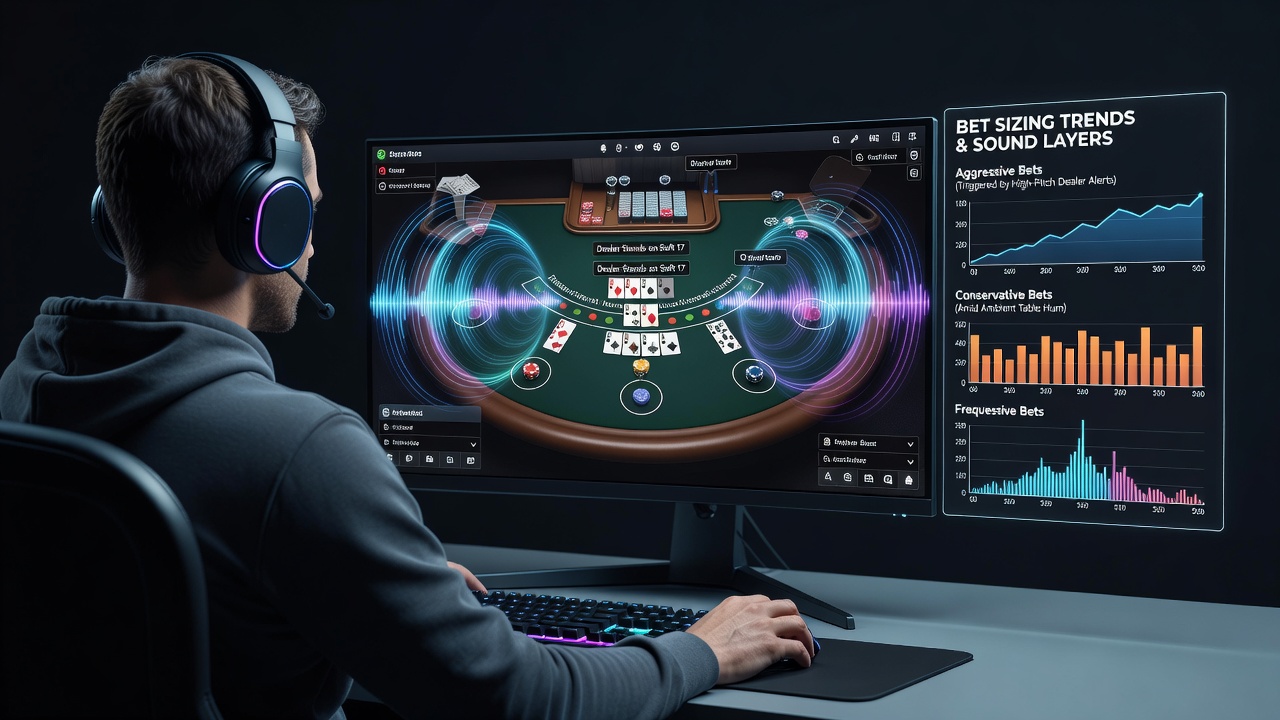
Operators have reported that adjusting the volume balance between ambient and event-driven layers produces predictable changes in session behavior. When ambient tracks receive higher gain relative to win cues, average bet sizes stabilize but overall session length extends. When event cues dominate, bet sizes fluctuate more widely and players often exit after shorter periods. These adjustments appear in internal reports shared among software providers and are referenced in presentations at industry conferences.
Regulatory and Technical Context
Regulatory bodies in several jurisdictions now require disclosure of audio settings that could affect player decisions. The Nevada Gaming Control Board updated its technical standards in early 2026 to include review of sound layering parameters, while the Malta Gaming Authority issued guidance on transparency for immersive audio features during the same period. Both agencies cite player protection data that links certain audio configurations to accelerated betting patterns.
Technical audits show that most platforms store audio profiles as separate configuration files, allowing operators to test different layer combinations on segmented user groups without modifying game logic. Results from these A/B tests indicate that subtle increases in the mid-frequency range of chip sounds correspond to higher bet increments among players with more than 50 sessions logged. Researchers at the University of Nevada, Las Vegas have begun examining these datasets under academic review protocols to determine whether the effects hold across demographic categories.
Player Behavior Data Across Regions
Cross-border comparisons reveal regional differences in how sound layers interact with bet sizing. Canadian operators using similar audio engines report smaller average increases after win sequences compared with U.S. platforms, while Australian sites note longer persistence of elevated bets when ambient layers remain constant. These variations align with differences in session time limits and responsible gambling tool adoption rates across the markets.
Session replay tools now allow analysts to correlate exact audio timestamps with wager changes down to the millisecond. Aggregated figures indicate that 62 percent of bet size increases above the session median occur within 800 milliseconds of a layered win cue. The same datasets show that decreases below the median cluster around periods where only ambient tracks remain active for more than four seconds.
Conclusion
Sound layering in virtual blackjack tables has become a measurable factor in how regular players determine their wager amounts. Platform data, regulatory updates, and academic reviews continue to document connections between specific audio combinations and bet sizing patterns. As audio engines evolve and oversight expands, the relationship between layered sound design and player decisions remains an active area of examination across multiple jurisdictions.