How Weather Patterns Influence Wagering Volumes at Outdoor Events According to Aggregated Operator Datasets
Operators tracking outdoor event wagering have compiled extensive datasets that reveal clear connections between weather conditions and shifts in betting activity, particularly for golf tournaments, tennis matches, horse racing, and baseball games where environmental factors directly alter schedules and participant performance.
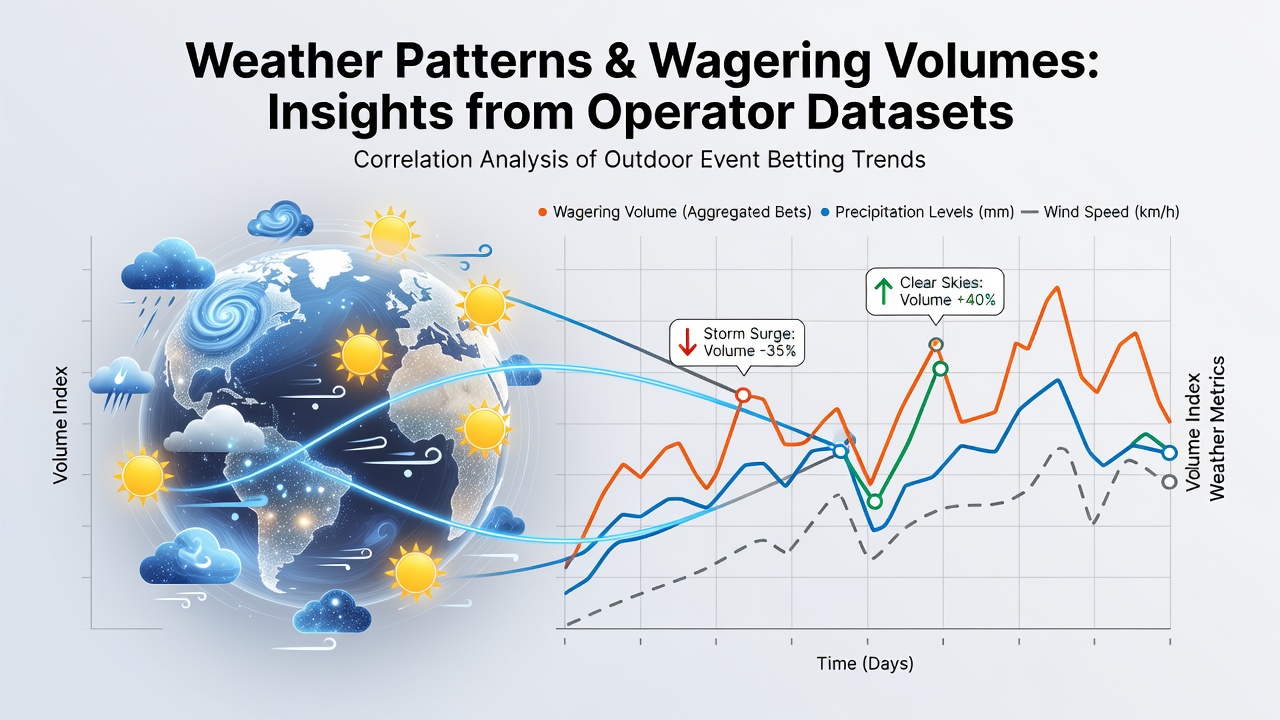
Data aggregated across multiple platforms shows that precipitation events trigger measurable drops in handle for open-air competitions, while temperature swings and wind speeds produce more nuanced adjustments in bettor participation rates.
Key Correlations in Major Markets
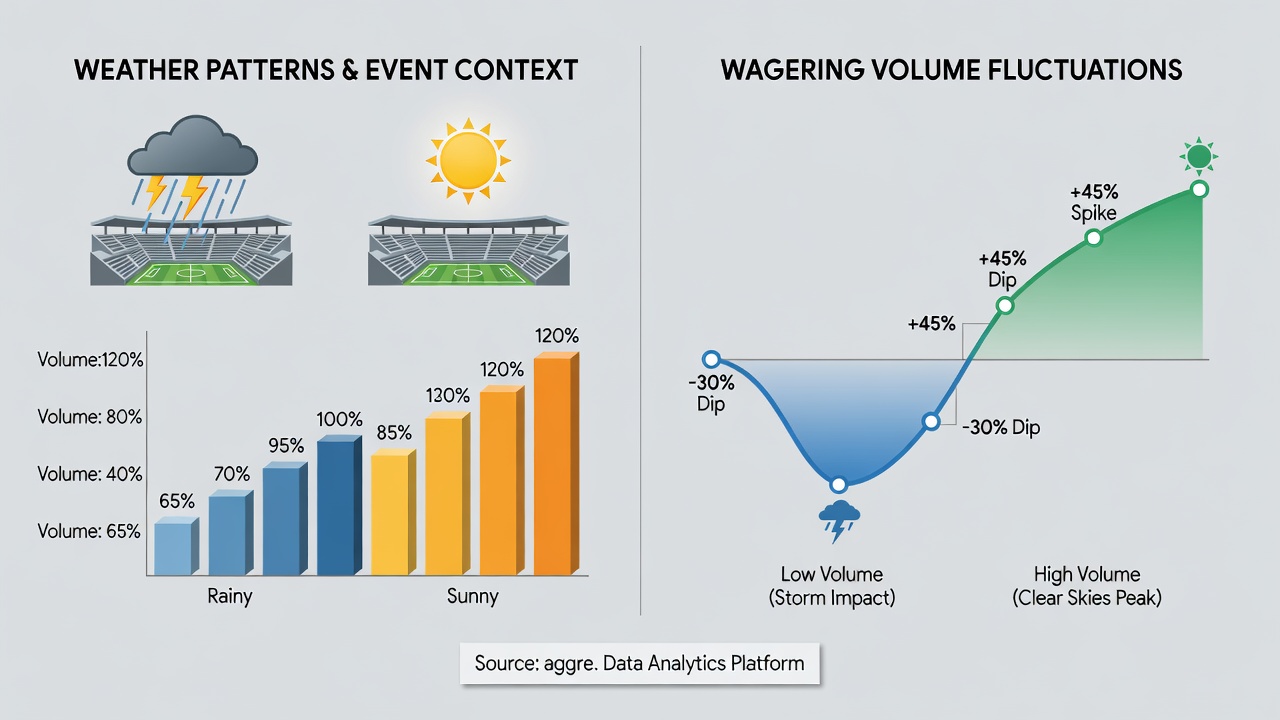
Analysts examining records from 2024 through August 2026 note that heavy rainfall correlates with 18 to 27 percent reductions in pre-event wagering on golf majors, because delays compress the betting window and shift focus toward alternative markets. In contrast, mild overcast conditions without precipitation often sustain or even elevate volumes, since bettors perceive steadier playing conditions that favor skill-based selections over chance outcomes.
Tennis events demonstrate similar patterns, with high heat indices above 32 degrees Celsius linked to increased in-play betting during early rounds, while sudden humidity spikes coincide with higher withdrawal rates from accumulator bets. Horse racing tracks report that muddy surfaces from prior storms reduce overall handle by an average of 14 percent on affected race days, yet they also generate spikes in exotic wager types once bettors adjust their selections to account for track bias.
Regional Variations Across Datasets
North American operators handling baseball games observe that evening thunderstorms in the Midwest produce the sharpest volume contractions, sometimes reaching 35 percent below seasonal averages when games are postponed, whereas West Coast venues show more resilience because marine layers create predictable fog patterns that bettors incorporate into their models. European datasets, drawn from cricket and football matches played outdoors, indicate wind gusts exceeding 40 kilometers per hour correlate with elevated live betting activity as spectators and remote users react to changing match dynamics in real time.
One study compiled by researchers at the University of Nevada, Las Vegas examined over 2.3 million transactions and found that temperature deviations of more than 8 degrees from historical norms reliably precede volume surges in futures markets, because bettors reposition wagers toward athletes or teams with documented performance records under extreme conditions.
Operator Adjustments and Data Integration
Platforms have begun integrating real-time weather feeds directly into their risk engines, allowing automated odds adjustments that reflect incoming precipitation forecasts up to 72 hours ahead. This practice stabilizes margins during volatile periods, because operators can widen lines on weather-sensitive props before bettors fully price in the new information. Aggregated reports from August 2026 indicate that such integrations reduced variance in daily handle by approximately 9 percent compared with the prior summer season.
Those monitoring international markets note parallel developments in Australia, where the New South Wales Independent Liquor and Gaming Authority publishes quarterly summaries that include weather-adjusted performance metrics for outdoor thoroughbred meetings. These summaries reveal that coastal humidity levels above 70 percent coincide with measurable upticks in place and show betting rather than win wagers, reflecting bettor caution under slippery conditions.
Longer-Term Trends in the Data
Multi-year comparisons highlight that climate-driven schedule changes, such as extended rain delays at major tournaments, create ripple effects that extend beyond single events. Bettors who encounter postponed matches often redirect capital toward indoor alternatives or future dates, producing temporary lifts in other categories that partially offset the initial volume loss. Operators tracking these flows report that the redirection rate averages 41 percent within 48 hours of a weather-related postponement.
Wind patterns have emerged as an underappreciated variable in datasets covering coastal venues. Sustained breezes alter ball flight in golf and tennis, prompting bettors to favor certain player archetypes, which in turn concentrates handle on specific outcome types and reduces diversity across the betting menu.
Conclusion
Aggregated operator datasets continue to demonstrate that weather remains a primary external driver of volume fluctuations in outdoor event wagering. Precipitation, temperature extremes, and wind consistently produce directional shifts in handle that operators now model with increasing precision. As more platforms incorporate meteorological inputs into their systems, the granularity of these correlations is expected to improve further, giving market participants clearer signals about how environmental conditions translate into betting behavior across different regions and event types.