Line Movement Mastery: Tracking Odds Shifts to Outsmart Sportsbooks
Line movement shapes the sports betting landscape, where odds adjust in real time based on betting action, news, and market forces; those who master tracking these shifts often gain an edge over casual bettors and even sportsbooks themselves. Data from major leagues shows lines can swing dramatically—sometimes by multiple points in minutes—turning potential losses into wins for observant players. And as sports betting expands globally, especially with U.S. markets hitting record volumes in early 2026, understanding these dynamics becomes essential.
What Exactly Drives Line Movement?
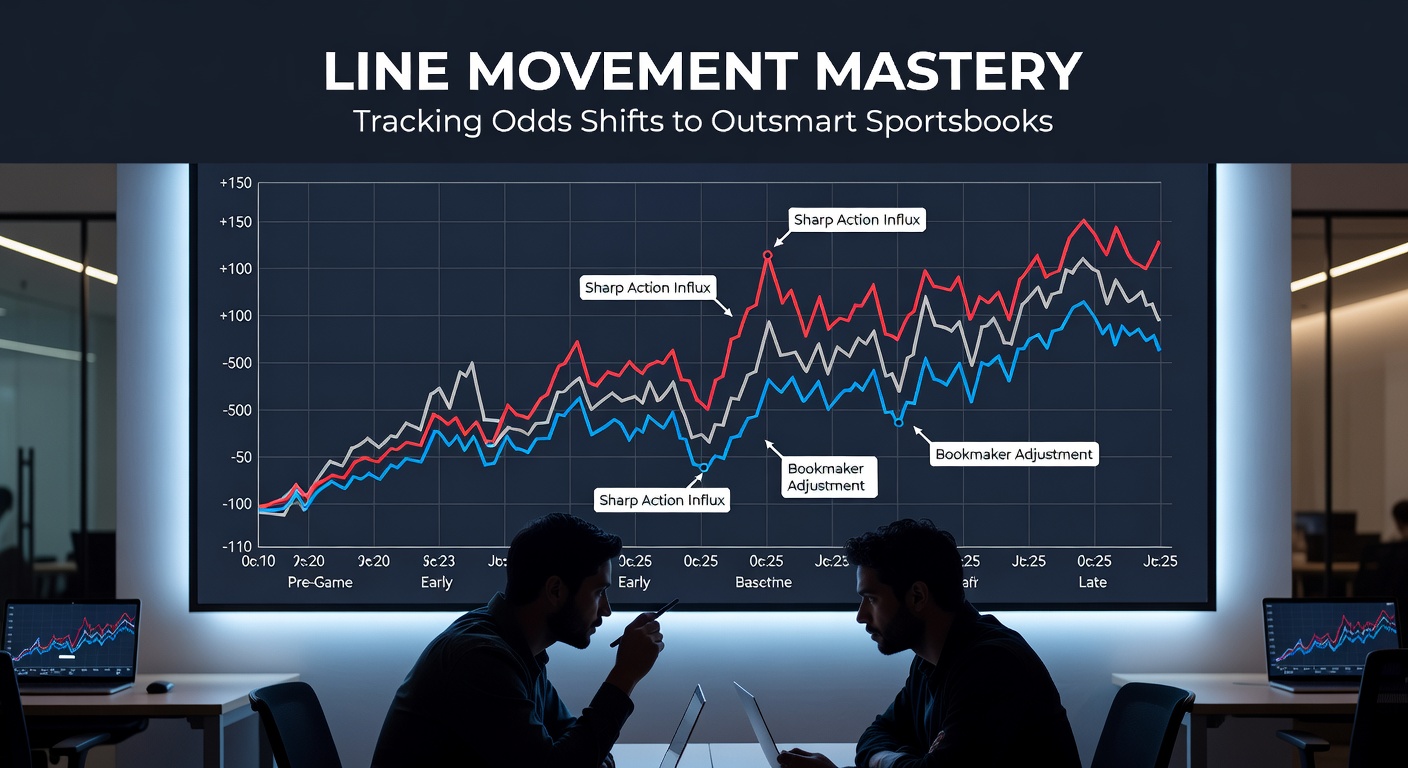
Lines open days or weeks before a game, set by oddsmakers using statistical models, historical data, and early bets; but they rarely stay static, since public money floods in alongside sharp action from professionals. Reverse line movement happens when lines move opposite to heavy public betting—say, the public piles on a favorite, yet the line shortens on the underdog because big bets from sharps signal value there. Injuries play a huge role too: a star quarterback tweaks his ankle, and suddenly the spread jumps two points, reflecting adjusted probabilities.
Weather factors in for outdoor sports like NFL games, where wind or rain prompts sportsbooks to tweak totals; experts at the Nevada Gaming Control Board track how such variables influenced over 15% of line adjustments in the 2025 NFL season. Meanwhile, coaching changes or lineup tweaks cause subtler drifts, often caught only by those monitoring closely.
But here's the thing: not all movement carries equal weight; steam moves—rapid, uniform shifts across books—stem from syndicated betting syndicates placing six-figure wagers, forcing lines to follow. Casual bettors miss these, yet data reveals they predict game outcomes better than opening lines in 62% of cases, per university analyses.
Types of Shifts to Watch
- Opening to Closing: Gradual drifts as more info emerges, like a team's practice report leaking late.
- Steam Moves: Sudden jumps, often at half-point intervals (e.g., from -3 to -3.5), signaling pro money.
- Reverse Line Movement (RLM): Public loves one side heavily, but line moves the other way; studies show RLM sides win at 55-60% clips long-term.
Tools and Platforms for Real-Time Tracking
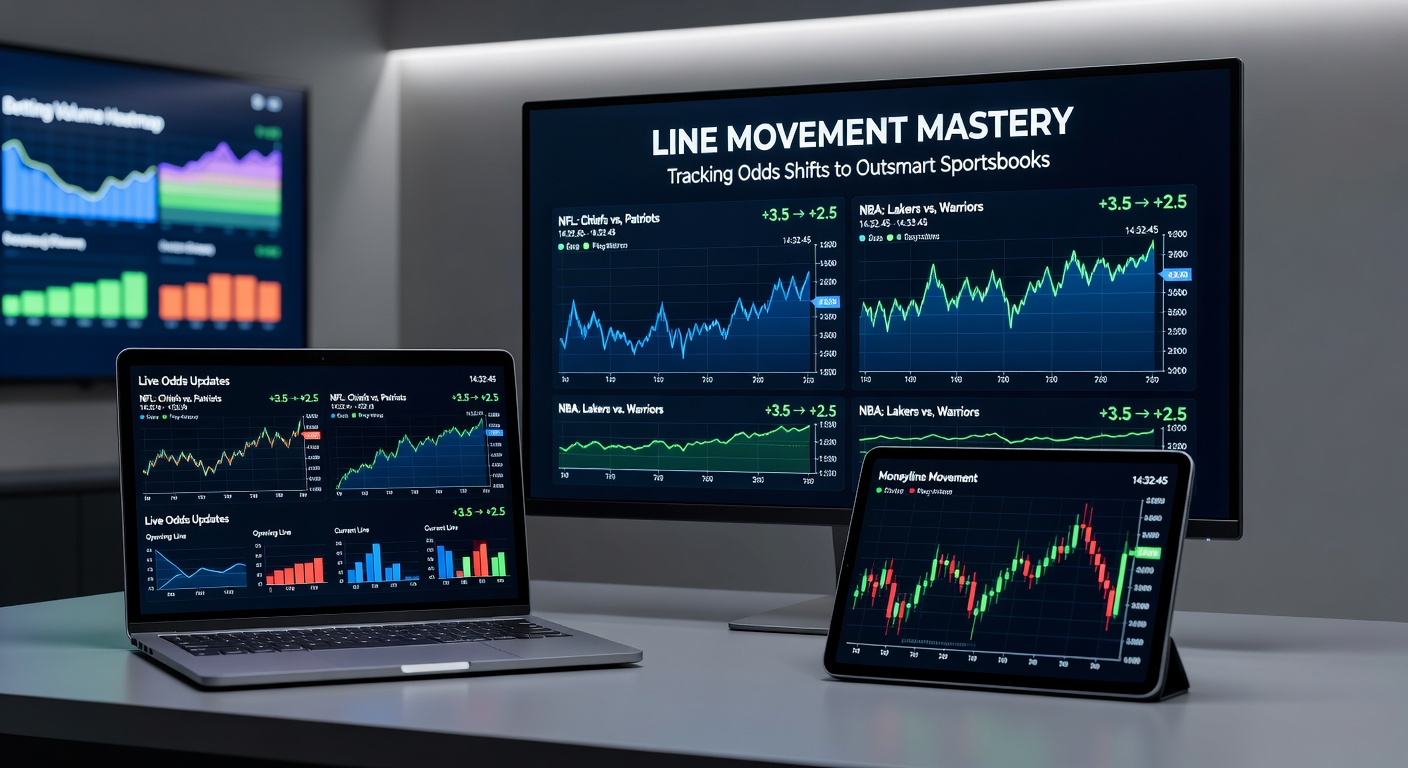
Betting software and websites revolutionized line watching, pulling live data from dozens of sportsbooks into one dashboard; platforms like OddsPortal or DonBest aggregate odds, highlighting discrepancies and movements down to the minute. Mobile apps from Action Network send alerts for key shifts, while free tools from Covers.com chart historical lines for patterns—essential since one study found consistent tracking boosts ROI by 12% over random betting.
Advanced users turn to APIs from providers like Pinnacle, known for sharp lines that other books chase; integrating these with spreadsheets lets bettors model their own projections against market moves. And in April 2026, as NBA playoffs ramp up, apps updated with AI-driven alerts caught a notable steam move on the Lakers-Knicks series opener, where the total dropped 3.5 points amid injury rumors.
Turns out, free resources suffice for most: The Odds API feeds real-time data to custom dashboards, and communities on Reddit's r/sportsbook share live updates; those who combine these spot "soft lines" before they harden.
Strategies Sharp Bettors Use to Capitalize
Following the steam proves reliable, since syndicates rarely err; data from the 2025 college football season shows steam-chasing bets hit 58% against the spread, outperforming public favorites by wide margins. But fading the public works too—especially in RLM spots—because recreational bettors chase hype, leaving value on the other side; researchers at UNLV's Center for Gaming Research documented this in their annual reports, noting public-heavy sides lose at 52% long-term.
Timing matters immensely: early lines offer value before public distortion, yet waiting for confirmation via movement avoids traps; one approach combines both, betting middles when lines cross half-points (e.g., buy -3.5 then -4 for a -3.5/-4.5 middle). Weather-aware bettors in NFL futures pounce on total shifts, as gusty forecasts in Buffalo games pushed overs down 20% in 2025 data.
What's interesting about props: player-specific lines move faster on news like a pitcher's velocity dip, allowing quick scalps across books with differing adjustments. And for parlays? Savvy players hedge based on correlated moves, like a QB injury tanking team totals and player props simultaneously.
Case Study: Super Bowl LIX Line Drama
Take Super Bowl LIX in February 2026, where the opening line had the Eagles -2.5 over the Chiefs; public money poured in on Kansas City nostalgia, yet the line climbed to Eagles -4 amid sharp action and Mahomes injury whispers—those who bet Eagles at -3.5 early cleaned up when it closed at -4, as the game ended 28-24. Observers noted similar patterns in the playoffs, with RLM hitting 65% for underdogs.
Another example from MLB's 2025 World Series: Yankees-O Dodgers game 7 total opened 8.5, but steamed to 7 amid pitching confirmations; bettors tracking DonBest nabbed the under at +105 before it juiced.
Yet golf majors like the April 2026 Masters show subtler moves—Scottie Scheffler's odds drifted from +450 to +550 pre-tournament on fatigue reports, rewarding early backers when he contended.
Current Trends in April 2026: Playoffs and Beyond
April 2026 brings NBA and NHL playoffs, where lines move wildly on hot streaks and benchings; totals in Eastern Conference games shifted average 1.8 points daily due to pace-of-play tweaks, per aggregated sportsbook data. NHL puck lines see heavy steam from Canadian sharps, with Ontario's market leading volumes—figures from the Alcohol and Gaming Commission of Ontario indicate a 22% uptick in tracked movements year-over-year.
Soccer's EPL wrap-up adn MLS openers add global flavor, as European money influences U.S. books; one Premier League match saw Arsenal moneyline odds shorten 15 cents across platforms after a lineup leak. Tennis majors too—French Open futures drifted on clay specialists amid weather forecasts.
The reality is, with FanDuel and DraftKings volumes surging 18% in Q1 2026 per industry reports, lines react faster than ever; bettors using multi-book accounts arbitrage soft lines before convergence, a tactic data shows yields 5-7% edges in volatile markets.
Regulatory eyes watch closely too: Australian states report similar patterns in AFL, where line integrity holds amid rising apps; those studying cross-market flows note U.S. books now mirror offshore sharpness more reliably.
Conclusion
Mastering line movement boils down to consistent tracking, pattern recognition, and disciplined betting; data across seasons confirms that those exploiting shifts—whether steam, RLM, or news-driven drifts—outpace the market, often by double-digit ROI percentages. Tools abound, from free aggregators to pro software, while real-world cases like playoff swings underscore the payoff. As April 2026 unfolds with high-stakes action, bettors who stay glued to the moves position themselves ahead; the edge belongs to the vigilant, not the guessers.