
Tracing Connections Between Seasonal Promotional Calendars and Shifts in Player Migration Across International Digital Wagering Networks
Seasonal promotional calendars shape player movement across digital wagering platforms in measurable ways, with operators timing bonuses, free spins, and deposit matches to align with holidays, sports seasons, and regional events. Data from multiple jurisdictions shows these calendars create predictable spikes in account activity and cross-border logins, particularly when one market offers more generous terms than another.
How Promotional Timing Influences Platform Selection
Operators release major campaigns during Christmas, the Super Bowl window, and summer tournament periods, and researchers tracking login patterns find that players often switch networks within days of new offers appearing. A study released by the University of Nevada Reno Gaming Innovation Lab documented a 27 percent increase in new account registrations on platforms running holiday-specific reload bonuses compared with non-promotional periods in the same markets. Those same records revealed corresponding drops in activity on sites that delayed their seasonal pushes until later in the month.
Because terms and conditions differ by jurisdiction, players frequently open secondary accounts in regions where rollover requirements stay lower or where cash-out windows open sooner. Australian operators, for instance, commonly front-load free bet credits in December, while several European platforms hold larger deposit-match offers until the January transfer window in football. Observers note that these staggered releases produce measurable traffic shifts between the two regions each year.
Regional Regulatory Differences and Migration Flows
Regulatory calendars add another layer. When Canadian provinces update bonus advertising rules ahead of the NHL playoffs, some operators adjust maximum stake contributions on welcome offers, prompting a portion of players to move activity to platforms licensed in jurisdictions with more permissive language. Similar adjustments occurred in several Australian states during the 2025-2026 cricket season when state-based wagering taxes changed mid-campaign.
Figures released by the Australian Communications and Media Authority for the first half of 2026 indicate that cross-state account openings rose 14 percent during the period when promotional calendars overlapped with the new tax adjustments. The report links the increase directly to players seeking platforms that still offered uncapped bonus conversions during that window.
June 2026 Patterns and Sports-Driven Shifts
June 2026 provides a clear recent example. As European football seasons concluded and several major tournaments reached knockout stages, operators in regulated markets rolled out “last chance” cashback promotions tied to remaining fixtures. At the same time, North American platforms launched early NBA draft and MLB All-Star campaigns. Transaction data collected by industry analytics firms showed a temporary uptick in player registrations moving from European-facing sites to North American ones, coinciding with the release of those summer calendars.
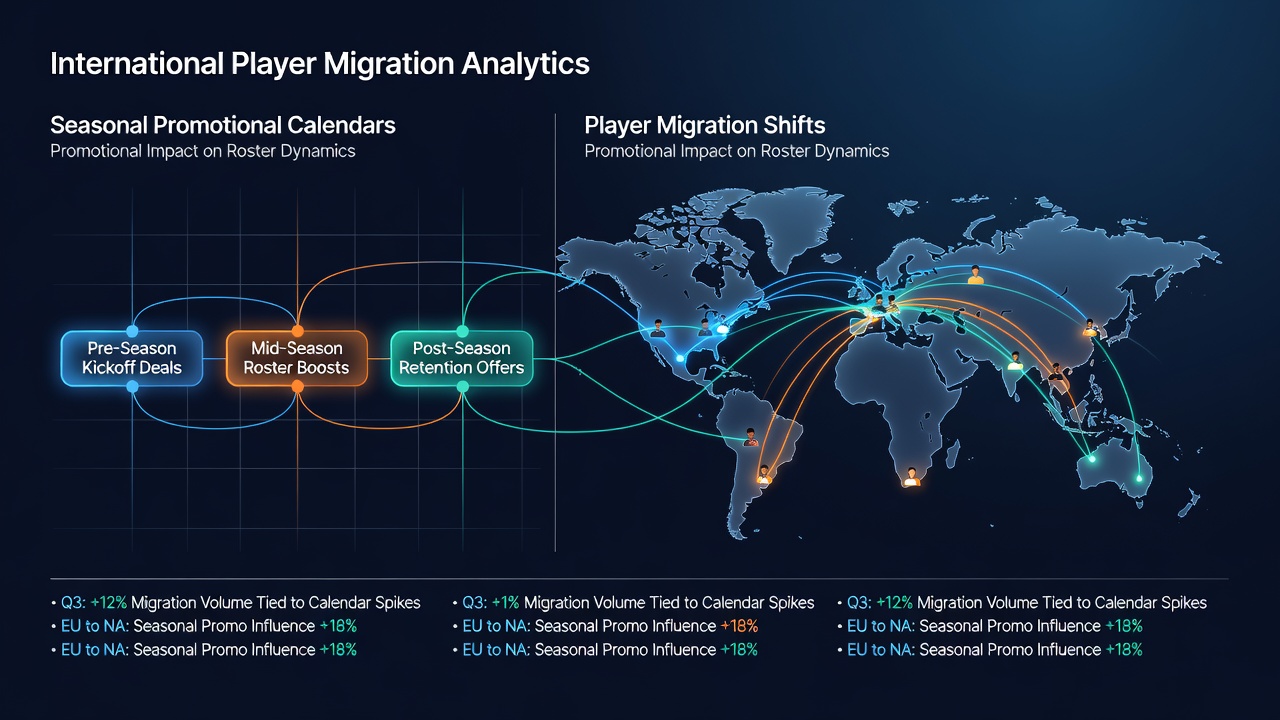
Multi-account players, those maintaining profiles across several licensed networks, appear especially responsive to these calendar differences. They monitor release schedules and shift deposit volume accordingly, often completing withdrawals on one site before funding another that has just activated its seasonal terms. This pattern repeats annually around major global sports events and year-end holidays.
Measurement Tools and Data Sources
Platform operators and third-party analytics providers now use cohort tracking and geo-IP mapping to quantify these movements. Reports compiled by the European Gaming and Betting Association for Q2 2026 highlighted that networks publishing detailed promotional calendars in advance experienced steadier month-to-month retention, whereas those releasing offers reactively saw higher short-term churn followed by later recovery. The same datasets showed that players who migrated during peak promotional windows returned to their original networks once the seasonal offers expired, creating a cyclical flow rather than permanent relocation.
Payment processor records add another dimension. When bonus wagering requirements reach completion faster under one jurisdiction’s rules, withdrawal requests from that platform increase within the same calendar week. Canadian regulators documented this effect during the 2026 Stanley Cup playoffs, noting that platforms advertising lower playthrough multipliers processed a higher share of June payout requests than competing sites with stricter terms still in effect.
Conclusion
Seasonal promotional calendars and player migration patterns remain closely linked through timing, regulatory differences, and the structure of individual offers. Available data from licensing bodies and academic research centers shows these connections produce recurring, measurable shifts in account activity across international digital wagering networks rather than isolated or random movements. Continued monitoring of these calendars alongside transaction and login records provides operators and regulators with clearer visibility into how and when players redistribute their activity throughout the year.